


 FAq
FAq Shipping & Returns
 Contact Us



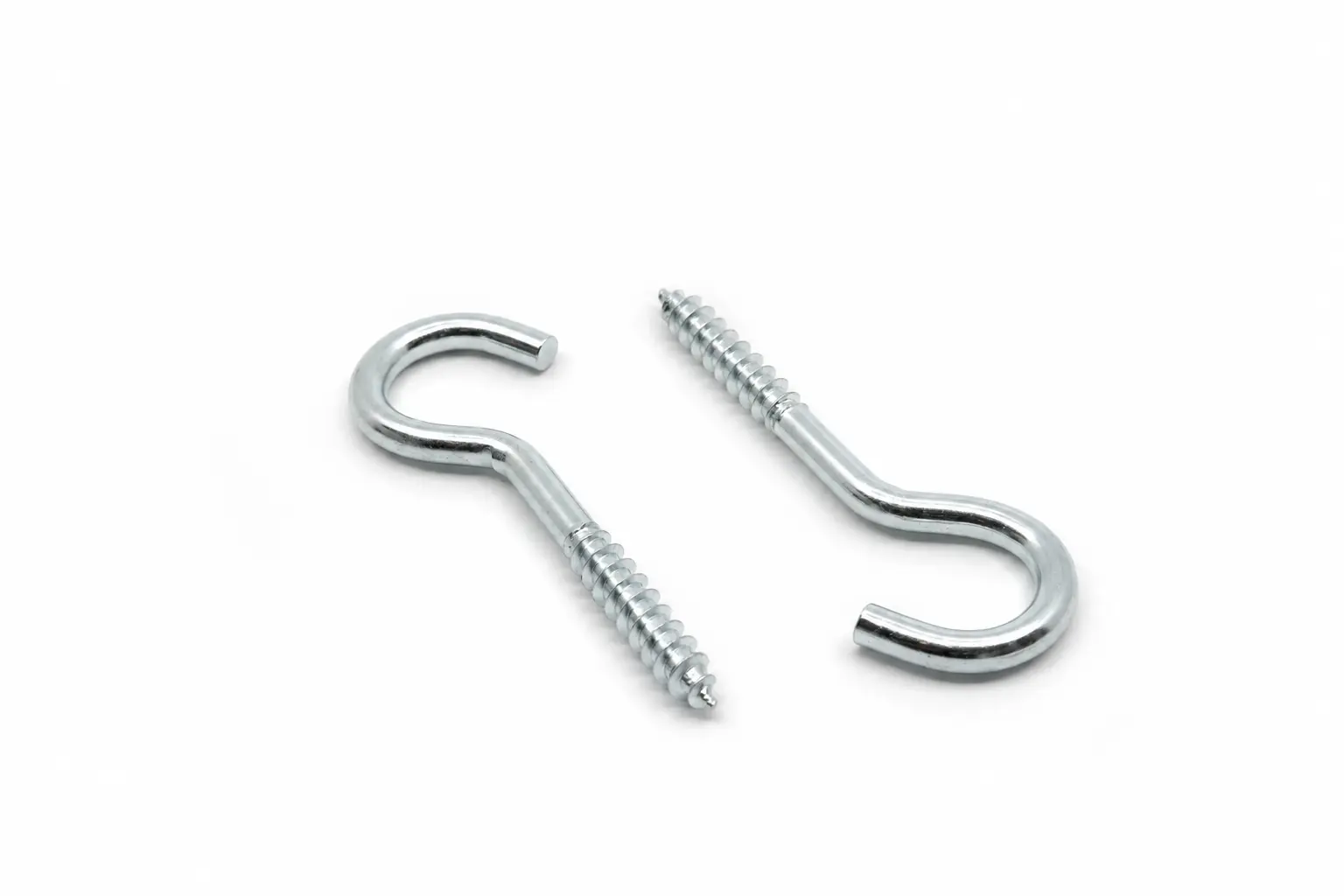
All About Concrete Ceiling Hooks
Installing a ceiling hook in concrete, wood, or drywall does not have to be complicated — as long as you use the correct type of hook and installation method for the surface material. Ceiling hooks and lamp hooks are commonly used for hanging lamps, decorations, and other lightweight objects from the ceiling, and with proper installation, you get a secure and stable solution that lasts over time.
In this guide, we go through how to choose the right ceiling hook depending on the ceiling material, how much weight a ceiling hook can usually support, how installation works in different types of ceilings, and how to easily remove a lamp hook when needed.
1. Choose the Right Ceiling Hook Depending on the Ceiling Material
For concrete ceiling hooks, you can use ceiling hooks, lamp hooks, or hanging brackets. These work perfectly for wood, concrete, stone, and drywall ceilings. For the last three materials, however, a wall plug suitable for the surface is required during installation.
2. How Much Weight Can Ceiling Hooks Support?
When it comes to this product, it is unfortunately impossible to specify an exact weight capacity, since many external factors affect the result, such as the material it is attached to and the type of wall plug used. However, it is generally said that it can support a load of approximately 1–3 kg.
3. How to Install Ceiling Hooks and Lamp Hooks
Wooden Ceilings
(The material is either solid wood studs, plywood, or OSB board)
Place the product in the desired position and screw the ceiling hook directly into the ceiling. No pre-drilling or wall plugs are needed.
Stone, Concrete, and Drywall Ceilings
To install the product in these materials, you will need a drill and a wall plug suitable for the material your ceiling is made of.
- Drill a hole in the desired location.
- Remove as much dust as possible using a vacuum cleaner and cloth.
- Insert the wall plug into the hole and screw the product into place.
4. How to Remove a Lamp Hook
- Unscrew the product.
- Remove the wall plug if one was used during installation.
- To cover the hole in the ceiling, filler or spackle can be used.
The hook has now been removed, the hole has been filled, and you can install the product in another location if desired.
Ceiling hooks and lamp hooks are practical solutions for hanging items in wood, concrete, stone, and drywall ceilings. For the best results, it is important to choose the correct wall plug and installation method depending on the ceiling material. The load capacity varies depending on the surface and installation, but generally, a ceiling hook can support around 1–3 kg.
When installing in wooden ceilings, the hook can usually be screwed in directly without pre-drilling, while harder materials such as concrete and stone require drilling and wall plugs. When the hook is no longer needed, it can easily be removed and the hole filled for a clean finish.