


 FAq
FAq Shipping & Returns
 Contact Us



10 Important Facts About Furniture Pads
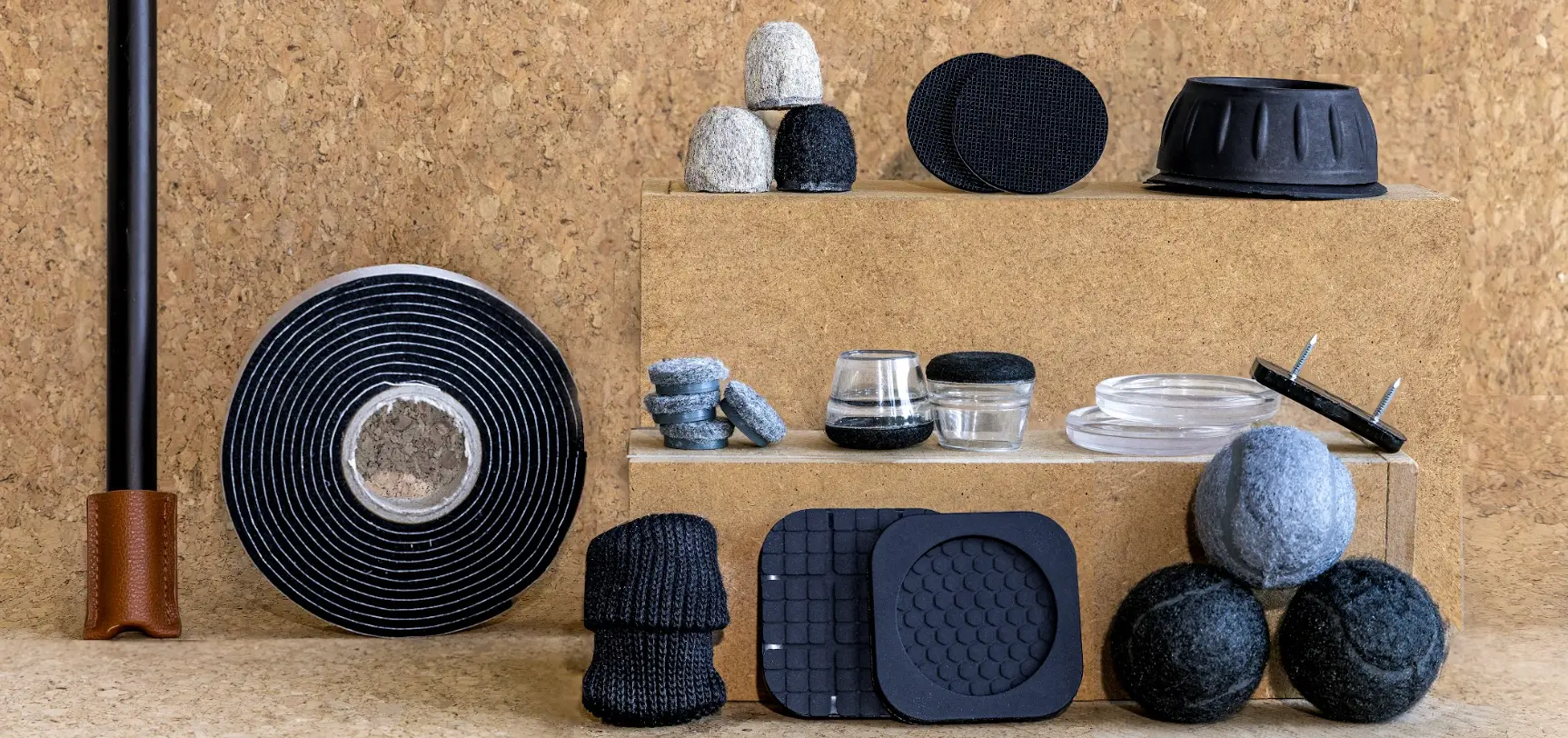
Choosing the right furniture protection solution isn’t just about preventing scratches — it’s about protecting your floors, extending the lifespan of your furniture, reducing noise, and improving stability. Whether your home has hardwood, tile, laminate, or carpet, the correct furniture pad makes a noticeable difference. Here are the 10 most important facts you should know before choosing furniture pads.
1. Furniture Pads Protect More Than Just Floors
Furniture pads don’t only prevent scratches, they also:
- Reduce pressure dents in hardwood and laminate
- Minimize noise from movement
- Prevent carpet wear
- Improve furniture stability
Without proper protection, furniture legs can gradually cause permanent surface damage.
2. The Right Material Depends on Your Floor Type
What material should your furniture pad be composed of?
To answer this question, you need to consider both what surface your furniture is placed on and how the furniture is used. Different materials are designed for different environments and functions.
Here is a practical breakdown:
- Rubber: Provides a non-slip function and is perfect when you want your furniture to remain in one spot. Ideal for sofas, beds, and cabinets.
- Felt: Perfect for furniture placed on hardwood, laminate, or tile floors. Felt pads allow furniture to move more easily, protect floors from scratches, and reduce noise created when furniture is moved.
- Cork: Recommended primarily for decorative objects rather than heavy furniture. For example, cork pads can be placed underneath a candle holder or decorative item to prevent scratches on tables or shelves.
- Metal: Best used on furniture placed on carpets or carpeted floors. Metal glides reduce resistance and allow easier movement across carpet surfaces.
- Plastic: Like metal, plastic is an excellent solution for carpeted areas. It improves movement while preventing furniture legs from damaging carpet fibers.
Choosing the wrong material can reduce effectiveness and, in some cases, even cause surface damage.
3. Felt Pads Are Ideal for Hard Floors
Felt pads are one of the most popular options because they:
- Allow smooth movement
- Reduce friction
- Prevent scratching
- Minimize sound
They are especially recommended for chairs, tables, and frequently moved furniture.
4. Non-Slip Rubber Pads Improve Stability
If you want furniture to stay in one place, such as sofas, beds, or cabinets — rubber pads provide excellent grip. They are especially useful in homes with children or high foot traffic.
5. Carpeted Floors Require Hard Glide Materials
For furniture placed on carpets:
- Metal and plastic glides are recommended.
- They reduce resistance and prevent carpet fiber tearing.
- They make heavy furniture easier to reposition.
Soft materials like felt are not effective on carpet.
6. Mounting Method Impacts Durability
Furniture pads come in several mounting types, and each has different strength levels:
- Nail-on: Very secure, ideal for long-term use.
- Screw-on: Extremely stable, best for heavy furniture.
- Pipe rivets (inserted glides): Hammered into hollow legs.
- Self-adhesive: Easy to install but less durable under heavy load.
The heavier the furniture, the more secure the mounting method should be.
7. Surface Preparation Is Essential
No matter which mounting method you choose:
- Clean off dust, grease, and wax.
- Lightly sand wooden surfaces if needed.
- Ensure the surface is completely dry.
Improper surface preparation is one of the main reasons pads fail prematurely.
8. Correct Size Is Crucial for Performance
A pad that is too small can:
- Cause instability
- Fall off
- Concentrate pressure in one spot
A pad that is too large can:
- Look unattractive
- Reduce balance
Always flip the furniture upside down and measure the leg diameter before purchasing.
9. Furniture Sliders & Glides Are Not the Same as Pads
Furniture pads primarily protect surfaces and reduce noise.
Furniture sliders and glides are designed specifically to improve movement — especially on carpets.
Sliders are typically made from:
- Plastic
- Metal
They reduce friction and protect both carpet and furniture legs.
Preferred Way of Mounting Your Furniture Sliders & Glides
Just as furniture pads, these products can be mounted in different ways:
- With a screwdriver: Some sliders come with screws that will make sure that your product is securely mounted. Pre-drilling may be required depending on what kind of material your furniture is made of.
- With a hammer: Nails are another option when mounting your glides. Pre-drilling might be required.
- Self-adhesive: Make sure that your surface is cleaned before you stick your glides on. For wooden furniture, use a piece of sandpaper to remove all wax, grease, and dust. For furniture made of plastic, metal, and other materials, you can simply clean the surface with a cloth and some detergent.
- With a rubber mallet: This is used for internally mounted glides. A few hits with the rubber mallet and your glides should be correctly mounted.
Take Measurements to Get the Right Furniture Sliders and Glides
Taking measurements of your furniture is essential in order to get the right product size so that the best glide and protection of your carpet can be achieved. Therefore, we strongly recommend flipping your furniture upside down to measure the leg diameter before placing an order.
A Variety of Colors
Like furniture pads, we also offer a selection of colors for furniture sliders & glides. You can find black, white, metal, and brown products. As mentioned above, the last thing to consider before placing an order is your preferred taste. What color suits your furniture and home décor?
10. Color Choice Matters More Than You Think
Furniture pads are available in colors such as:
- Black
- Brown
- White
- Silver
- Red
- Metal finishes
You can either:
- Choose a matching color to blend in seamlessly
- Or select a contrasting tone for subtle visual detail
The right color ensures protection without disrupting your interior aesthetic.
Furniture pads may seem like small accessories, but they play a critical role in protecting your home. By choosing the correct material, mounting method, size, and color based on your floor type and furniture use, you ensure long-term protection, smoother movement, improved stability, and a cleaner overall finish.
Investing in the right furniture pads today prevents costly floor repairs tomorrow.