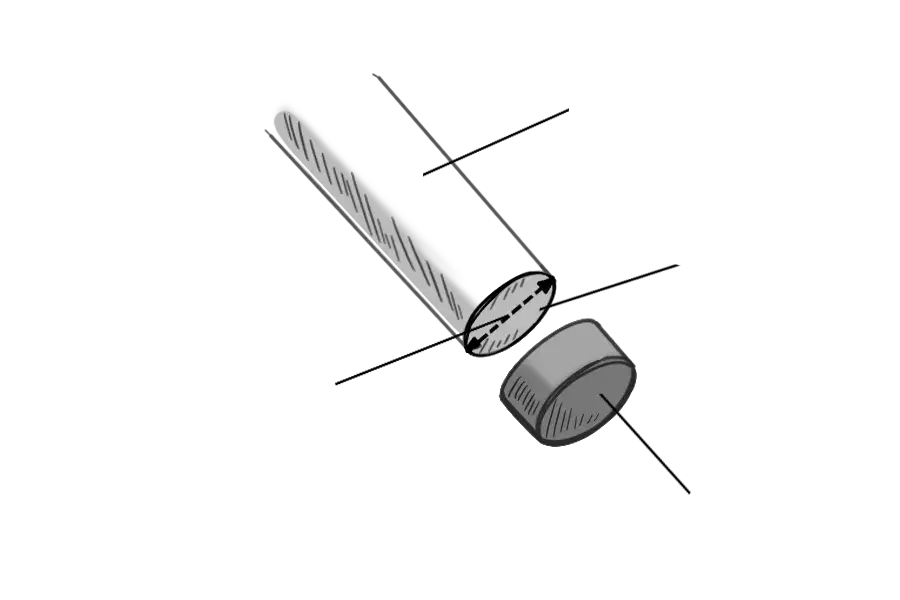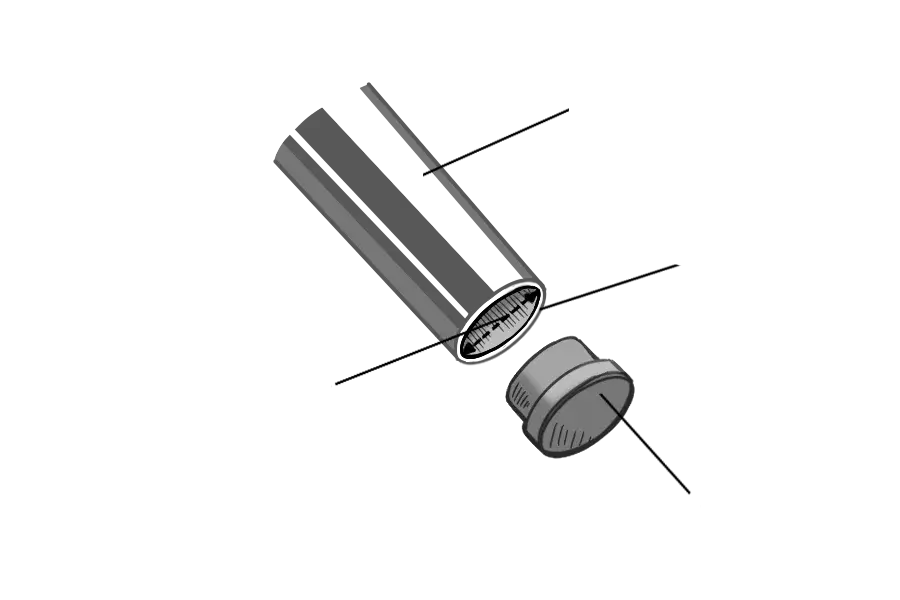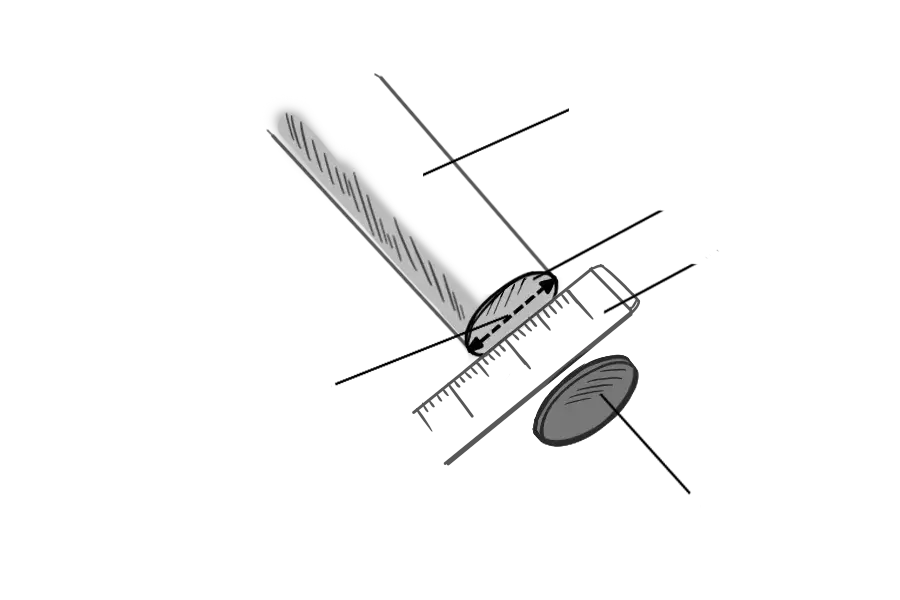


How a Concrete Hook Works | For Mounting on Concrete Walls
Mounting paintings, mirrors, and decorations on concrete walls does not have to be difficult or require advanced tools. With the right concrete hook, you get a quick and simple solution for lighter wall mounting – completely without pre-drilling. In this guide, we go through how concrete hooks work, which size you should choose, and how to easily install and remove them when needed.
1. Choose the Right Concrete Hook for the Right Type of Wall
All concrete hooks from Möbeltassen are designed for walls made of concrete. They are not recommended for drywall, wood, tile, or brick.
2. Choose the Right Concrete Hook Size Depending on the Weight of the Object
The concrete hooks are suitable for lighter objects that need to be mounted on walls, such as paintings, mirrors, or decorations. Choose the size of the concrete hook based on the weight of the object.
- The concrete hook in size 14–22 mm is recommended for approximately 0.1–2 kg.
- The concrete hook in size 16–29 mm is recommended for approximately 1–3 kg.
- The concrete hook in size 20–39 mm is recommended for approximately 3–5 kg.
For heavier weights than those listed above, a regular screw with a wall plug is recommended, which means you will need a drill with the correct drill bit size.
3. Smooth and Easy Installation Without Pre-Drilling
- Make sure you have a hammer available.
- Measure and mark where on the wall the hook should be installed.
- Place the hook over the marking and strike the pins firmly with the hammer.
- The hook is now in place and ready to hold the desired painting, mirror, or decoration.
4. How to Remove a Concrete Hook
- Use a hammer, chisel, or flathead screwdriver.
- Carefully pry the hook away a little at a time from different angles.
- The hook should come loose relatively easily and only leave small holes from the pins behind. If you want to remove these completely, a small amount of filler suitable for concrete walls can be applied.
Concrete hooks are a simple and practical solution for mounting on concrete walls when you want to hang lighter objects quickly and securely. By choosing the right size and following the installation instructions, you get a stable mounting solution with minimal impact on the wall. In addition, concrete hooks are easy to remove if you later want to change the placement or take the object down.